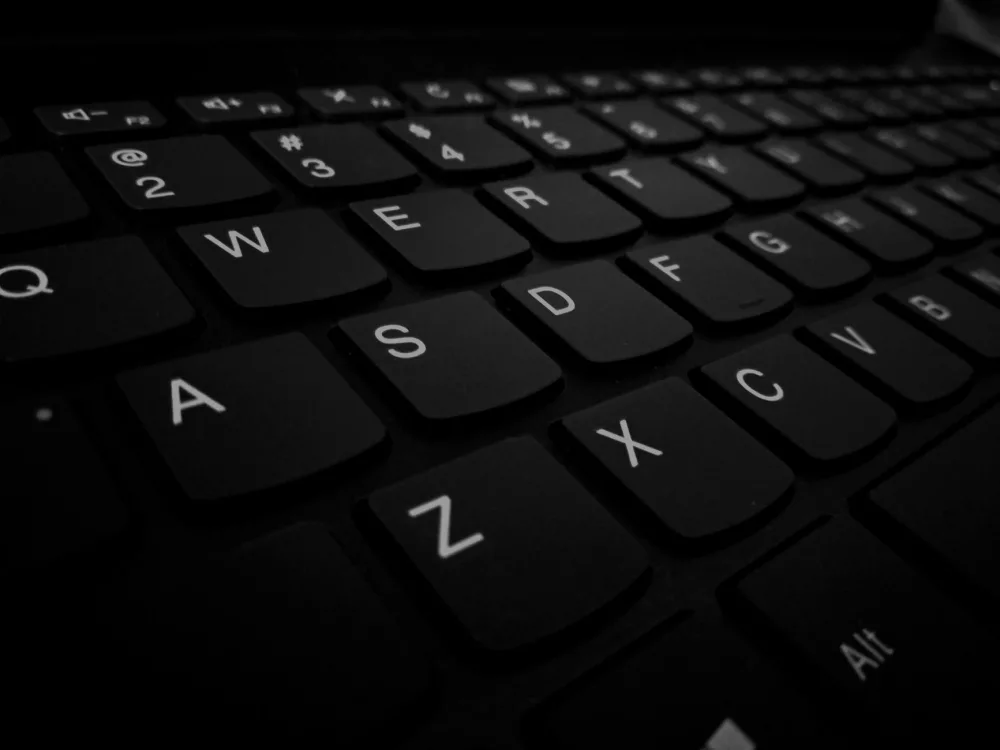
The Unforgettable Introduction to Typing
For a whole generation, perhaps even two, the name Mavis Beacon isn't just some forgotten relic of early computing; it's synonymous with learning to type. When I think back to my first interactions with a personal computer, Mavis Beacon Teaches Typing invariably pops into my mind. It was more than just a piece of software; it became a cultural touchstone, a ubiquitous presence in homes and school computer labs, guiding millions of us through the intricate dance of fingers across a QWERTY keyboard.
Think about it: before the widespread adoption of smartphones and tablets, proficiency on a keyboard was absolutely critical for anyone engaging with technology. Emails, word processing, early internet browsing—all demanded a certain level of typing skill. And Mavis Beacon was right there, ready to usher us into that brave new digital world, one keystroke at a time.
The Genesis of a Digital Educator
The story of Mavis Beacon actually begins in 1987 with The Software Toolworks. They wanted to create an intuitive, engaging typing tutor program. It was a smart idea because, let's be honest, learning to type can be incredibly dry and repetitive if not handled well. Their solution was to create a compelling, approachable persona to guide users. This is where Mavis Beacon, the fictional character, enters the scene.
Interestingly, Mavis Beacon wasn't a real person. She was a composite, a marketing creation, with a picture on the box that was reportedly based on a Haitian-American model named Renée L'Espérance. This clever bit of branding gave the program a human face, making the learning experience feel personal and less like interacting with a cold, impersonal piece of code. It really did make a difference in how people connected with the software.
What Made Mavis Beacon So Effective?
The program's enduring success wasn't just down to clever marketing, though; it was built on a solid foundation of pedagogical principles and smart software design. Mavis Beacon understood how people learn, especially something as kinesthetic as typing. Here's a look at some of its core strengths:
- Structured Lesson Plans: The software offered a clear, progressive curriculum. You didn't just jump into full sentences; you started with home row keys, then moved to adjacent letters, gradually building complexity. This systematic approach was incredibly effective.
- Interactive Exercises: It wasn't just about typing text; the program incorporated a variety of exercises designed to build speed and accuracy. These often included short words, sentences, and even paragraphs, all tailored to reinforce recent lessons.
- Engaging Games: This was a game-changer! To break up the monotony, Mavis Beacon included arcade-style games that used typing skills. Whether it was navigating a maze by typing letters or shooting down asteroids with the correct keystrokes, these games made practice fun and competitive. My personal favorite was always the one where you had to type words to make a hot air balloon rise.
- Personalized Feedback and Progress Tracking: The program meticulously tracked your words per minute (WPM) and accuracy. It provided instant feedback on errors and offered customized lessons to address specific weaknesses. This data-driven approach allowed users to see their improvement, which was hugely motivating.
- Customizable Learning Paths: You could often set your own pace and focus on areas where you struggled most. This flexibility meant that both beginners and those looking to improve existing skills could benefit.
- Ergonomics and Posture Guidance: Beyond just keying, Mavis Beacon often included tips on proper hand positioning, posture, and even breaks, emphasizing health alongside skill development. This holistic approach was really valuable.
Impact on Education and Productivity
Mavis Beacon Teaches Typing had a profound impact. In schools, it became a standard tool for teaching computer literacy. I recall entire computer classes dedicated to working through the program, with teachers monitoring our progress. It democratized a skill that, until then, might have been learned through costly classes or slow, self-taught methods.
At home, it was a common installation on family PCs. Parents recognized the value of typing proficiency for their children's future education and careers. For adults, it offered a user-friendly way to upgrade their own skills, which was becoming increasingly important in an office environment rapidly adopting personal computers. It wasn't just about speed; it was about efficiency and reducing cognitive load, freeing up mental energy for the actual content of what you were writing.
The Evolution and Lasting Legacy
Over the decades, Mavis Beacon Teaches Typing adapted and evolved. It moved from floppy disks to CDs, from DOS and early Windows versions to modern operating systems. The graphics improved, new games were added, and the underlying algorithms for tracking progress became more sophisticated. Despite these changes, the core mission remained the same: to make learning to type accessible and effective.
Even today, when touchscreens and voice assistants are common, the ability to type quickly and accurately remains a fundamental skill for productivity and communication. From writing emails and reports to coding and crafting compelling digital content, keyboard proficiency is still king in many respects. Mavis Beacon laid the groundwork for millions, instilling the muscle memory and confidence needed to navigate the digital world effortlessly.
It's fascinating to consider how a piece of software, personified by a fictional character, could leave such an indelible mark on so many lives. For me, and for countless others, Mavis Beacon wasn't just a program; it was the patient, encouraging instructor who unlocked a crucial skill, making countless hours of work and communication significantly easier. It truly helped shape how we interacted with computers, and for that, its legacy is well and truly secured.