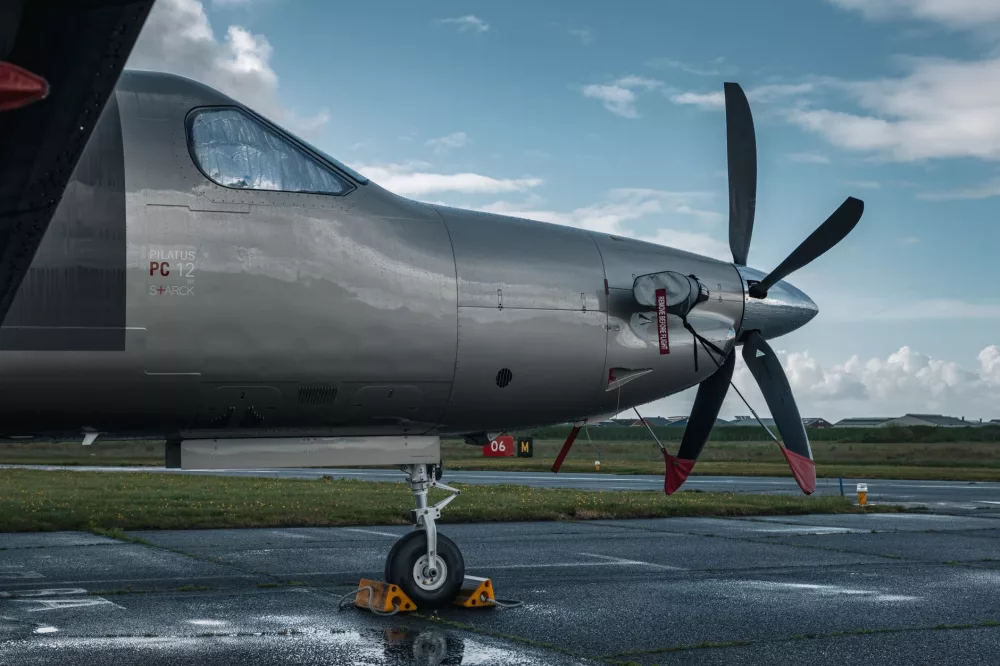
Understanding the Pilatus PC-12's Private Amenities
When you're considering an aircraft like the Pilatus PC-12, you're obviously looking for versatility, reliability, and performance. But, as someone who's spent a fair bit of time thinking about the practicalities of air travel, I’d wager that a surprisingly significant feature, often overlooked until you really need it, is the lavatory. It isn't just a minor amenity; for many operators and passengers, it's a critical component that dramatically enhances the overall utility and comfort of this remarkable turboprop. We're not talking about a quick hop across the state; often, PC-12 missions involve longer legs, sometimes several hours, and that's precisely when a well-designed private space becomes indispensable.
You see, the PC-12 isn't your average small plane. It's often used for executive transport, air ambulance services, remote access, or even family travel. Each of these scenarios brings unique demands, and I think a proper lavatory plays a huge role in meeting those needs. Imagine being on a three-hour flight with clients – you wouldn't want to compromise their comfort or your professionalism by lacking basic facilities, would you? That's where the Pilatus PC-12 really shines, offering options that many aircraft in its class simply don't.
The Lavatory's Strategic Location and Design
Typically, the lavatory in a Pilatus PC-12 is situated at the aft, or rear, of the main cabin. This placement is quite clever, I think, as it allows for a certain degree of separation and privacy from the primary seating area. What’s really interesting is that Pilatus offers different configurations, which means the level of privacy and the features you get can vary. In its most basic form, you might find a simple curtain separating the lavatory area from the rest of the cabin. While this offers some visual privacy, it's certainly not a fully enclosed, sound-dampened experience.
However, many operators and owners opt for the more sophisticated, fully enclosed lavatory configuration. This is where the PC-12 truly steps up. With a solid door, often a sliding or bi-fold design to save space, it creates a completely private compartment. This isn't just about dignity; it's about making a several-hour flight genuinely comfortable for everyone aboard. I've heard countless stories from passengers who appreciate this upgrade, especially when traveling with children or during critical business trips where disruptions are unwelcome.
- Aft Cabin Placement: Provides separation from main seating.
- Configurable Options: Ranging from curtained privacy to fully enclosed compartments.
- Solid Door Option: Enhances acoustic and visual privacy significantly.
Inside the Compact, Yet Functional, Space
Now, let's talk about what's actually inside this small but mighty space. It's important to set expectations: you're not getting a bathroom the size of a commercial airliner's, but for a turboprop, it's incredibly well-thought-out. The primary component, of course, is the toilet itself. Pilatus typically uses either a recirculating chemical toilet system or, in more modern variants and upgrades, a vacuum flush system. The vacuum system is generally preferred for its improved hygiene and odor control, something I think we can all appreciate at 30,000 feet.
Beyond the commode, what else can you expect? Many configurations include a small vanity area. This often features a compact sink with running water, usually cold, which is perfectly adequate for handwashing. Below or beside the sink, you'll typically find a small storage cabinet or shelves, perfect for stowing toiletries or extra supplies. A mirror is almost always included, and thoughtful lighting ensures the space is well-illuminated, not just a dark corner.
Ventilation is another crucial aspect here. Good airflow is essential to maintaining a fresh cabin environment, and Pilatus has engineered the system to minimize any unpleasant odors from permeating the rest of the aircraft. I've always found that attention to these details truly sets premium aircraft apart.
The Impact on Passenger Experience and Aircraft Versatility
I genuinely believe the inclusion of a robust, private lavatory is a huge selling point for the PC-12. Think about it: without one, longer flights become a real logistical challenge, particularly for families or those needing frequent access. It means less stress for parents, more comfort for business travelers, and an overall more dignified journey for everyone. It essentially transforms the aircraft from a high-performance utility machine into a truly comfortable long-range personal or business transport option.
For air ambulance operations, the lavatory can be absolutely essential. Medical personnel need access to facilities, and patients, depending on their condition, might also require them. Its presence often means the difference between a mission being feasible or not. We've seen how crucial this can be in critical situations. For executive travel, it removes a major psychological barrier to extended flight times. Clients or executives can work, relax, and attend to personal needs without feeling cramped or inconvenienced. It adds a layer of professionalism and luxury that you just don't get in smaller, less amenity-rich aircraft.
Customization and Practical Considerations
One of the beauties of the Pilatus PC-12 is its configurability. Owners have a fair amount of say in how their aircraft's interior is laid out, and the lavatory area is no exception. Some might prioritize maximum cargo space, opting for a more minimalist lavatory setup, perhaps just the curtained option or even a removable toilet. Others, aiming for the ultimate in passenger comfort, will invest in the fully enclosed, fully appointed version. It really comes down to the aircraft's primary mission profile.
From an operational standpoint, maintenance and hygiene are key. Operators usually have established protocols for cleaning and servicing the lavatory systems. Modern systems are designed for ease of maintenance, and reliable waste management is, naturally, a top priority. It's part of the routine checks and balances that ensure the aircraft is always ready for its next mission, something I'm sure every owner and operator values immensely.
So, while it might seem like a small detail, the lavatory in a Pilatus PC-12 is anything but. It's a thoughtful, well-engineered component that contributes significantly to the aircraft's legendary versatility and passenger comfort. It enables longer missions, supports diverse operational needs, and frankly, just makes flying a whole lot more pleasant. That, to me, is pretty remarkable for a single-engine turboprop.